ChatGPT
 Perplexity AI
 Claude
Kick-starting your career with an internship? Your student internship resume is the key to unlocking that door. But in a sea of skilled candidates, how can your resume bubble to the top?
This guide is your lifesaver. Packed with useful tips, concrete examples, and handy samples, we'll help you line up your talents and skills in a resume that's hard to ignore.
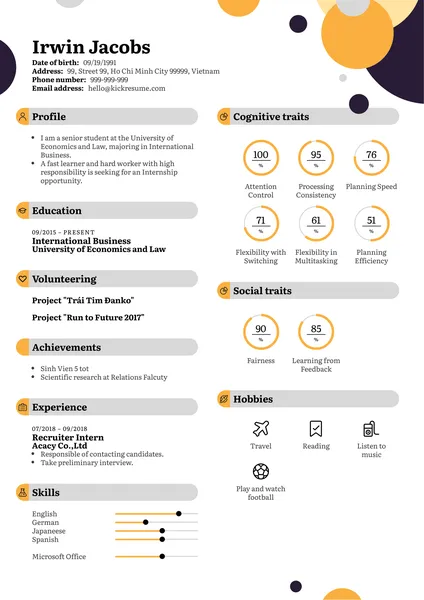

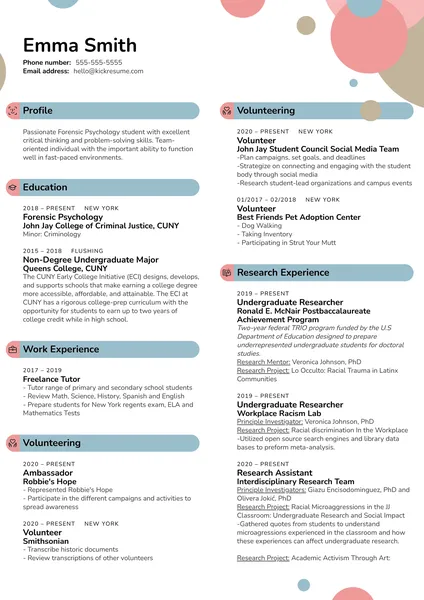

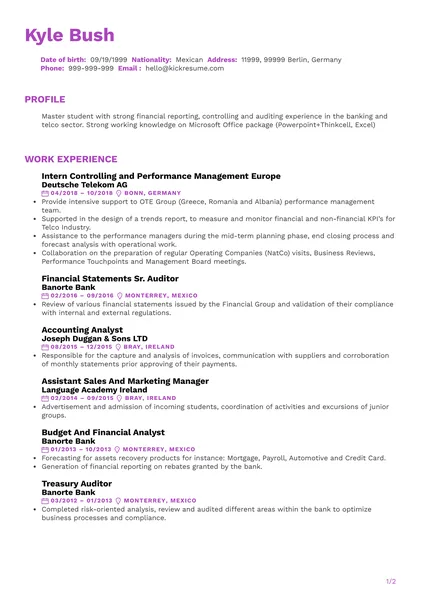

 See more examples like these
Keep reading our guide to learn how to:
- Learn the dos and don'ts of resume writing from authentic samples
- Pick the right resume format for an internship candidate
- Choose between resume summary and resume objective
- Present the right skills on your intern resume
- Make the most out of your achievements and experience
- Elevate your resume through the use of action verbs
- Deal with the education section effectively
- Select relevant optional sections for your intern resume
- Steer clear of mistakes that can sabotage your resume
- Accompany your resume with a matching cover letter
- Find the best resources for aspiring interns
- Explore which universities promise the highest employability
Still looking for a job? These 100+ resources will tell you everything you need to get hired fast.
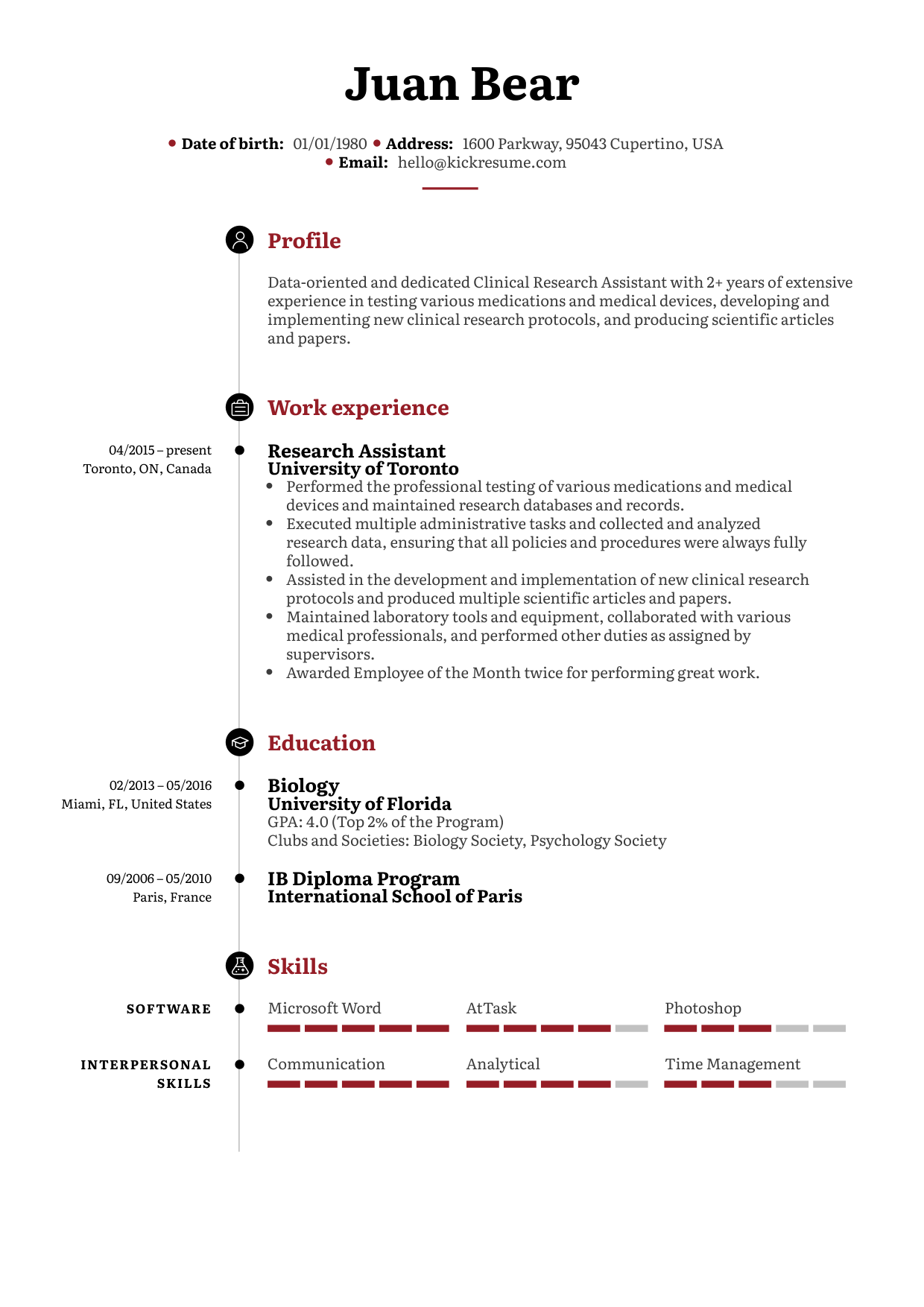
Media specialist intern resume template


Why does this resume example work?
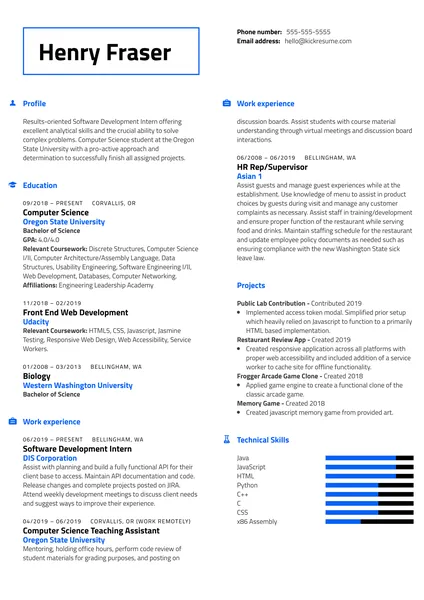
- The inclusion of a projects section: Adding the Projects section is a really smart move for an intern. It shows that the candidate has actually applied classroom knowledge to something practical. The rebranding campaign project, for example, connects directly to the applicant’s field of study and gives hiring managers a glimpse of what they can do in a team setting.
- Listing references directly on the resume: Including references here works well for an internship-level candidate. It adds credibility, especially since both references are connected to respected institutions. For someone who is still in school or early in their career, it gives employers an easy way to verify work ethic and character. It’s also a good way to fill out the page without adding fluff.
What could be improved?
- Use bullet points consistently throughout the resume: Right now, most sections are written in plain text, which makes the document harder to scan. Recruiters usually spend just a few seconds on each resume, so clean, easy-to-skim bullet points make a big difference. For example, the education and skills sections could each have short, clear bullet points that summarize achievements, relevant coursework, or tools mastered.
- Expand work experience entries with at least two bullet points each: Even though these are student jobs, they deserve more detail. A couple of bullet points under each position could describe specific tasks, tools used, or small accomplishments. For example, troubleshooting over 100 student devices per semester or helping improve lab efficiency. Adding details like these gives hiring managers a better sense of what the applicant actually did and how they contributed.
College simple resume template

Why does this resume example work?
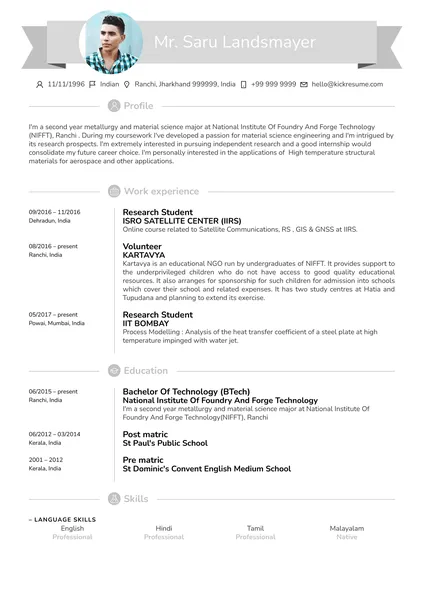
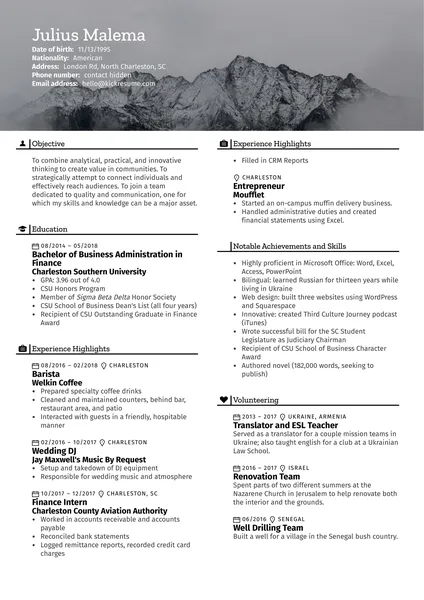
- Including a volunteering section: The volunteering experience shows that the applicant has been active and engaged outside the classroom, which is exactly what employers like to see. Thanks to this, the applicant comes across as someone who’s not only academically capable but also community-minded and responsible.
- Mentioning certificates: Adding the “Entrepreneurship in Emerging Economies” certificate from Harvard University is a fantastic call! It shows curiosity, initiative, and a willingness to learn beyond the standard curriculum. It also adds a bit of prestige and shows the applicant is serious about growing professionally. Even short online courses or specialized certifications can help a resume stand out, especially for someone still early in their career.
What could be improved?
- The hobbies could be more relevant: While “exploring distant lands” and “getting lost in a good book” sound pleasant, they don’t really connect to a marketing internship. Hobbies can be great to include, but only if they help reinforce your story as a candidate. For example, mentioning an interest in digital storytelling, photography, blogging, or even social media trends would align much better with a marketing or communications-focused role. Otherwise, this section can come across as filler, especially if it doesn’t add anything new to the picture of who the applicant is professionally.
Intern resume sample

Why does this resume example work?
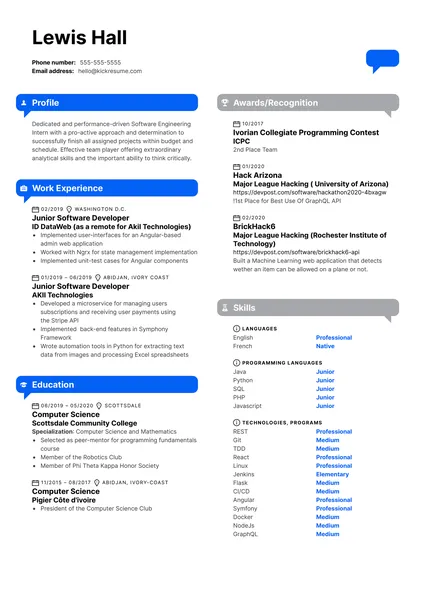
- The layout is clean and easy to scan: The resume is organized in a straightforward way, which makes it easy for someone to skim through and quickly find key information. Section headers stand out clearly, and the use of bullet points under experience keeps things tidy. For a busy recruiter who might only spend 15–20 seconds on a first read, this kind of layout is a big win.
- The variety of media-related involvement is impressive: From comedy and talk shows to online content creation, this resume paints a picture of someone who’s creative, hands-on, and genuinely passionate about their field. Employers notice that kind of consistency and initiative, and it helps them see that this person wouldn’t be walking into an internship totally green
What could be improved?
- Choose either a profile or an objective, not both: Having both sections back-to-back makes the opening feel repetitive. The applicant would be better off choosing one. If they pick the profile, they can make it a bit sharper and more specific to their field. If they go with the objective, it should be focused on what they bring to the internship rather than just what they hope to gain.
- Organize the skills section into clear subcategories: Right now, all the skills are listed together in one long block, which can be overwhelming. Breaking them up into small sections like “Technical Skills,” “Creative Skills,” and “Interpersonal Skills” would make this much easier to digest.
- Start each bullet point with an action verb: Some of the bullet points in the Media Experience section start with phrases like “Responsible for” or “Assisted in,” which sound a bit passive. Using action verbs such as created, coordinated, produced, or managed would make the resume sound much stronger and more professional.
1. What is the best format for your intern resume
Whether you’re applying for your first internship or already working as one, the first thing to decide is how to format your resume. The structure you choose can make a big difference in how your strengths come across to an employer.
These are the three main resume formats:
1. Reverse-chronological resume
Chronological resume is the most common and widely accepted format. It lists your work experiences starting with the most recent and works backward.
Best for: Students who have had part-time jobs, previous internships, or meaningful volunteer experience.
What it highlights:
- Your career progress and recent activities
- Clear timeline of your education and work
What it can hide:
- Gaps in experience or unrelated jobs are more visible, so it’s not ideal if you’re starting completely from scratch.
Choose this format if you have at least some relevant experience to show, this format helps hiring managers see your most recent work first, which is often what they care about most.
2. Functional resume
A functional resume focuses on your skills rather than your work history. So, instead of listing jobs in order, you group your abilities into categories such as “Research Skills,” “Teamwork,” or “Technical Skills.”
Best for: Students who have little to no formal work experience but plenty of relevant skills from school projects, extracurriculars, or volunteer work.
What it highlights:
- Your transferable skills and strengths
- What you can do, even if you haven’t done it in a paid role
What it can hide:
- Limited job experience or a lack of recent roles
This format helps you stand out when you’re new to the workforce and want to show potential rather than experience.
3. Hybrid (combination) resume
The hybrid format blends both approaches. It usually starts with a short summary and a skills section, followed by your work and education listed in reverse-chronological order.
Best for: Students who have some work experience but also want to emphasize their skills and academic background.
More resume formatting tips
- Use a simple, professional font like Calibri, Arial, or Helvetica
- Keep the font size between 10 and 12 points
- Stick to a one-page layout unless you have 10+ years of highly relevant experience
- Use clearly defined sections with bold headings (e.g., “Work Experience,” “Skills”)
- Maintain consistent spacing and margins (around 1 inch on all sides)
- Use bullet points to make your resume easier to scan
- Avoid dense blocks of text and be mindful of white space (this makes your resume quick to scan)
- Save your resume as a PDF unless the job posting asks for a different format
Ultimately, the choice is yours. Each format has its strengths, and the right one depends on what you want to highlight. That said, most employers are used to seeing the reverse-chronological format, and it’s often the safest bet for internship applications.
Also, if you’re submitting your resume through an online system (called an Applicant Tracking System or ATS), keep in mind that these programs sometimes struggle with unusual layouts. If you want to be sure your resume makes it through without any issues, stick with the reverse-chronological format.
Try our AI Resume Writer and have your resume ready in minutes!

2. How to choose between summary and objective
This small section at the top of your resume (a summary or an objective) has an important job. It helps the person reading your application quickly understand what you’re about and decide whether to keep reading.
Writing a resume summary
A resume summary works best if you already have some experience … maybe you’ve done an internship, a part-time job, or a few class projects that relate to your field. The summary highlights what you’ve done so far, what you’re good at, and what kind of value you can bring to a new team.
What to include:
- Your current role or area of study
- Any hands-on experience (from internships, student jobs, or major projects)
- A few key skills that are relevant to the internship you’re applying for
- One clear achievement or result that shows impact
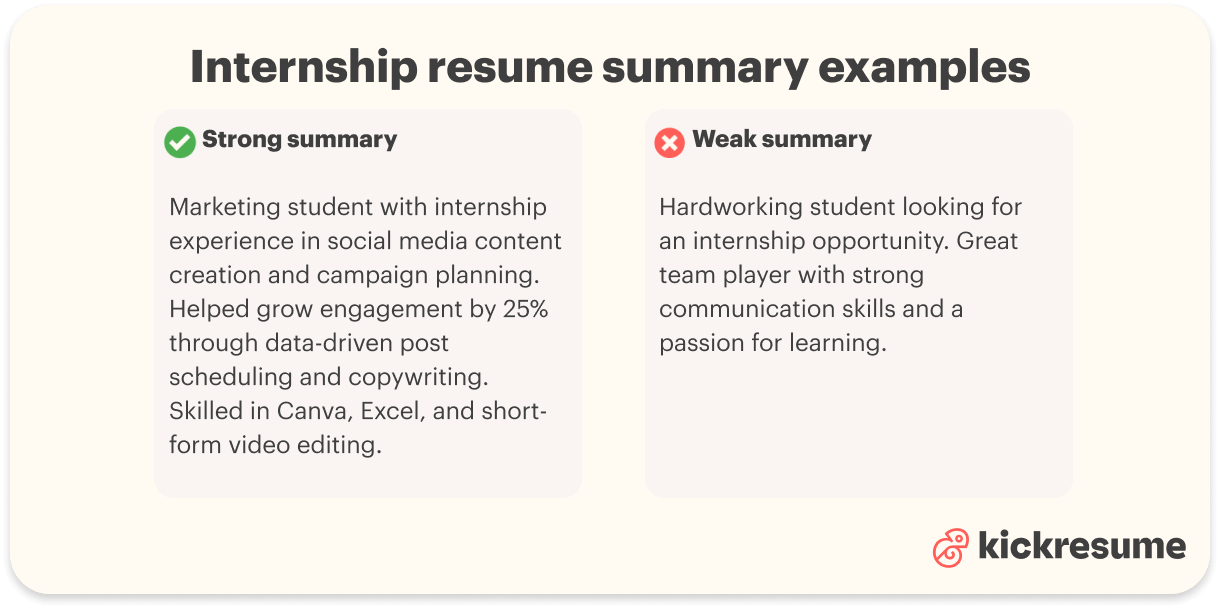
Bad intern resume summary example
Hardworking student looking for an internship opportunity. Great team player with strong communication skills and a passion for learning.
Why doesn't it work? Because it's way too general. It could belong to literally anyone. There’s nothing specific about what this person can actually do or what makes them stand out.
Good intern resume summary example
Marketing student with internship experience in social media content creation and campaign planning. Helped grow engagement by 25% through data-driven post scheduling and copywriting. Skilled in Canva, Excel, and short-form video editing.
Why does this one work so much better? Unlike the previous example, this one is specific and results-driven without being over the top. It shows real experience, gives a sense of skills, and includes a concrete result. In just a few lines, the reader knows exactly what this person can offer.
Writing a resume objective
A resume objective is a better choice if you don’t yet have much professional experience. For example, if you’re still studying and applying for your very first internship. Instead of past results, focus on your goals, your enthusiasm for the role, and the skills you’re developing.
What to include:
- The internship or field you’re aiming for
- Relevant skills or coursework that show you’re prepared
- Any academic or extracurricular experience that ties into the role
- A short line about your motivation or what excites you about the opportunity
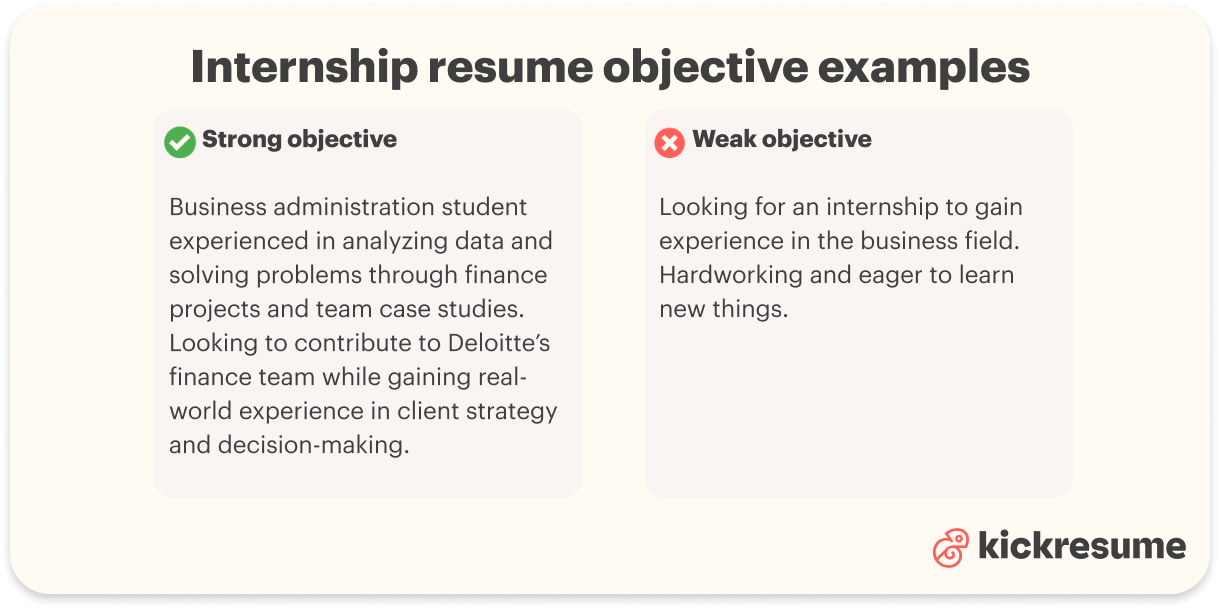
Bad intern resume objective example
Looking for an internship to gain experience in the business field. Hardworking and eager to learn new things.
Why does it fall flat? It’s too vague and tells the employer nothing specific. “Hardworking and eager to learn” is expected and so it doesn’t make you memorable in any way.
Good intern resume objective example
Business administration student experienced in analyzing data and solving problems through finance projects and team case studies. Looking to contribute to Deloitte’s finance team while gaining real-world experience in client strategy and decision-making.
What makes this one so much more convincing? It connects classroom experience to the professional world, shows relevant skills, and conveys genuine motivation. It sounds confident and ready! This is exactly what employers want from an intern.
Whether you go with a summary or an objective, keep it short (around 3 to 5 lines max). This section isn’t your life story. It’s a teaser that encourages the reader to keep going. Be clear, be specific, and avoid cliche phrases like “motivated” or “team player.”
3. How to present the right skills on your intern resume
Many students want to list every skill they’ve ever learned. A strong resume doesn’t work that way. It’s about highlighting the skills that actually matter for the internship.
You always need to tailor your resume to a specific job description!
So how do you figure out which skills to put front and center?
- Start with the job description: Read the internship posting carefully and look for keywords that describe what the company needs. These might be listed under “requirements,” “responsibilities,” or “qualifications.” For example, if the ad mentions “data entry,” “Excel,” and “attention to detail” a few times, you’ll want to make sure those words appear on your resume too.
- Match your own skills to what they want: Now, compare the list you’ve gathered from the job description with your own experience. Think about what you’ve learned from classes, projects, part-time jobs, volunteering, or even hobbies.
- Prioritize your strongest, most relevant abilities: Choose skills you’re not only familiar with but confident putting into action. It’s better to list five solid skills than ten half-hearted ones.
Of course, each internship opportunity is different and will ask different things from you. So there isn't any universal list we could show you. But we can give you some ideas to help you get started.
Top 10 hard skills for internship resume
- Microsoft Office (Excel, PowerPoint, Word)
- Google Workspace tools
- Research and data analysis
- Social media management
- Customer service
- Project coordination
- Basic coding or design tools (if relevant)
- Report writing or presentation skills
- Time management software (like Trello or Notion)
- Data entry and record keeping
Hard skills like these are crucial, but they’re only half the picture. You definitely shouldn't forget to also mention your soft skills. As an intern, you’ll be stepping into the professional world for the first time, and employers want to see that you can handle the challenges that come with it.
Top 10 soft skills for internship resume
- Communication
- Teamwork
- Organization
- Problem-solving
- Attention to detail
- Adaptability
- Initiative
- Dependability
- Curiosity and willingness to learn
- Critical thinking
Remember that these don’t just belong in your skills section. In fact, the most convincing resumes are the ones where skills are backed up by real examples throughout the document. But we’ll talk more about how to do that in the next chapter.
Find out your resume score!

4. How to showcase key accomplishments on your resume
When it comes to writing your work experience section, most students make one of two mistakes. Some list everything they’ve ever done, while others worry they don’t have anything worth mentioning.
Both groups usually have more to show than they think! It just comes down to how you present it.
If you already have work or internship experience
If you’ve held part-time jobs, internships, or even volunteer roles, you already have a great foundation to work with. The key is to focus on results, not just responsibilities.
Start by going back to the internship posting and reading through sections like “What you’ll do” or “Requirements.” These parts of the ad tell you what the company values most. Try to reflect those same ideas in your bullet points.
Follow a simple formula for a strong experience entry:
- Start with your job title, company name, and location
- Add your dates (month + year)
- Use bullet points to describe what you did and what impact it had
- Focus on achievements rather than just listing duties
- Add numbers or results where possible (even small ones make a big difference)
- Begin each bullet with a strong action verb
Bad experience entry example on an intern resume
Marketing Intern
Nova Agency, Boston, MA
June 2023 – August 2023
- Helped with social media posts
- Attended meetings
- Assisted with event planning
- Created reports
What’s missing here? This example lists what the student did, but not how well they did it or what came out of it. There’s no sense of contribution or outcome.
Good experience entry example on an intern resume
Marketing Intern
Nova Agency, Boston, MA
June 2023 – August 2023
- Supported social media campaigns that increased follower engagement by 18% in two months
- Organized client meetings and prepared presentation materials used in three successful pitches
- Collected post-event survey data to help evaluate campaign performance and future improvements
What exactly makes this example better? This version feels more specific, results-oriented, and confident. Even small wins show that you paid attention, contributed, and cared about the results.
If you’re applying for your first internship
If you’ve never had a formal job before, don’t worry. You can still show accomplishments, you just need to draw them from other areas.
Instead of a “Work Experience” section, try adding a “Projects” or “Relevant Experience” section. You can treat it the same way you would a job entry, with bullet points describing what you did, what skills you used, and what came out of it.
For example:
- Class projects where you worked in teams or delivered presentations
- Research papers or case studies where you solved real-world problems
- Volunteer work or student club roles
- Freelance, personal, or creative projects
- Any leadership or coordination experience (like organizing an event or fundraiser)
Good experience entry example on an intern resume
Academic Project – Market Research Analysis
University of Michigan
January 2024 – May 2024
- Conducted research on local small business trends using surveys and online tools
- Analyzed data from 150 responses and summarized key insights for a class presentation
- Developed a short marketing plan that received top marks for creativity and depth of analysis
If you have a few of these types of projects, group them together under one heading like “Projects and Experience” or “Relevant Coursework.” This helps your resume look complete and professional while being honest about where your experience comes from.
5. How to strengthen your intern resume with action verbs
One of the quickest ways to make your resume sound stronger is to choose better verbs. The words you use to describe what you’ve done can completely change how your experience comes across.
Many students start their bullet points with phrases like “Helped with” or “Was responsible for.” These don’t say much about what you actually did. Action verbs do the opposite. They show you taking part, making things happen, and getting results!
Take a look at this simple example:
Before:
- Helped plan events for the student marketing team.
After:
- Planned and promoted two student marketing events that drew more than 200 attendees.
It’s the same job, but the second version feels more alive. You can get a more specific idea of what the person did, and you get a sense of what came out of it.
If this is your first time hearing about action verbs, you can take inspiration from our list of potential words to help you describe your experiences:
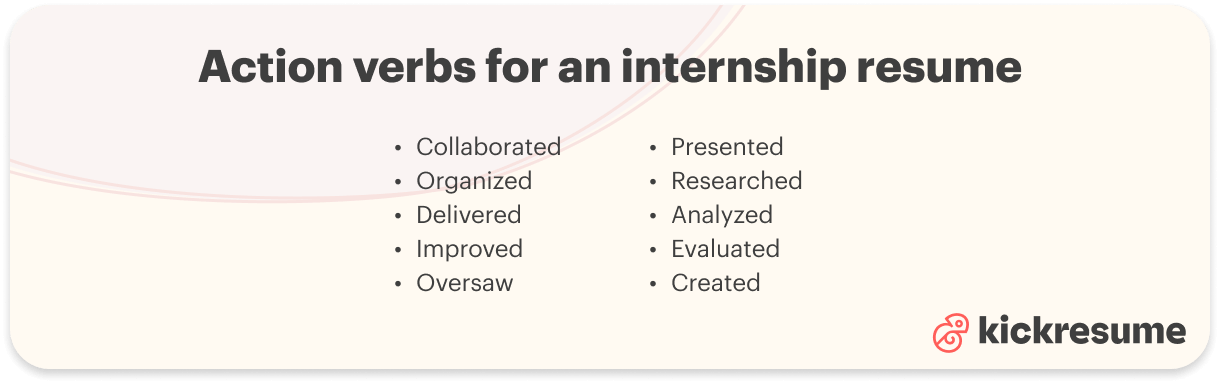
Action verbs for your internship resume
- Collaborated
- Organized
- Delivered
- Improved
- Oversaw
- Presented
- Researched
- Analyzed
- Evaluated
- Created
Read through your bullet points out loud. If you hear yourself saying “helped with,” “worked on,” or “responsible for,” ask, “What did I actually do?” Then rewrite that line with a stronger verb.
6. How to flash out your education as an aspiring intern
An internship is usually a stepping stone between school and your future career. Because of that, most employers won’t expect you to have a long list of jobs. What they really want to see is your education section, relevant coursework, and the skills that show you’re ready to learn and contribute.
Option 1: If you already have some work or internship experience
If you’ve had some hands-on experience, your education doesn’t need to take up much space, but it should still be well executed.
List your:
- Degree
- University name
- Expected graduation date
Underneath, you can add a short line or two highlighting coursework or academic projects that connect to the kind of work you’ve done or want to do next.
Succinct education section example for interns
BBA in Marketing
University of Michigan, Ann Arbor
Expected Graduation: May 2026
- Relevant coursework: Digital Marketing, Consumer Behavior, Data Analytics
- Capstone project: Created a social media campaign plan for a local non-profit as part of a marketing strategy course
If you’ve been involved in student organizations, business clubs, or competitions, add them too. All of these show leadership, teamwork, and initiative!
Option 2: If you’re applying for your very first internship
If this is your first professional experience, your education section needs to do a bit more heavy lifting.
In this case, you should treat it almost like a mini experience section.
So, include:
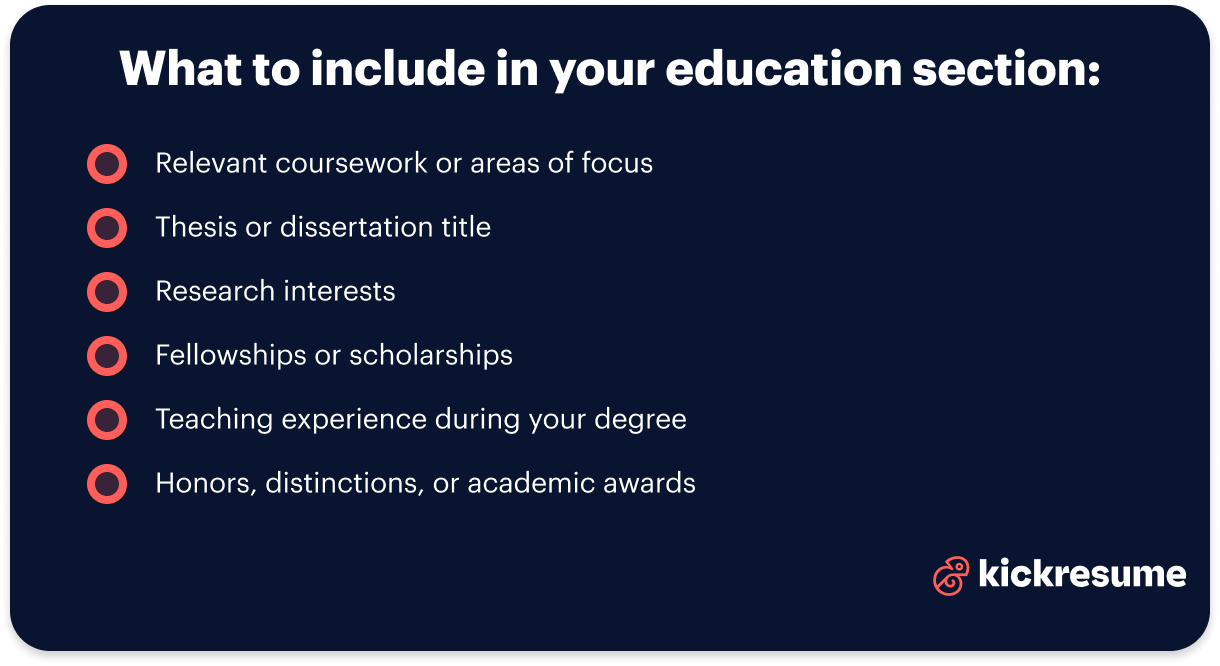
- Your major, school, and graduation year
- Relevant coursework
- Projects, presentations, or research you’re proud of
- Group work or case studies that relate to real-world challenges
- Awards, honors, or scholarships
Here’s what that might look like:
Detailed education section example for interns
BS in Computer Science
Boston University
Expected Graduation: June 2026
- Relevant coursework: Digital Marketing, Consumer Behavior, Data Analytics
- Capstone project: Created a social media campaign plan for a local non-profit as part of a marketing strategy course
- Team Web Design Project: Designed a mock e-commerce website using HTML, CSS, and JavaScript for a class assignment.
- Data Visualization Project: Created dashboards in Tableau to present climate data trends for a university research group.
Whether you’ve already had work experience or not, think about what parts of your academic life best reflect the kind of intern you’ll be: curious, capable, and ready to learn.
7. How to select relevant optional sections for your resume
Once you’ve got your basics covered, your resume is technically complete. But if you’ve got a bit more to share, there’s nothing wrong with adding a few extra sections.
Optional sections can help you talk about the things that make you different from the next applicant in line.
But, there’s a balance to strike! Every new section has to have a clear purpose. It should help the reader understand you better, not just fill up space.
When adding more makes sense
Go ahead and include extra sections if:
- You have something valuable that doesn’t fit neatly under work or education.
- You still have space left on your one-page resume.
- The new section adds context, shows effort, or proves a skill the employer cares about.
Skip it if:
- You’re adding something only to make the page look full.
- The information isn’t relevant to the internship.
- You’d have to stretch the truth to make it sound important.
Here are a few that work especially well for students and interns:
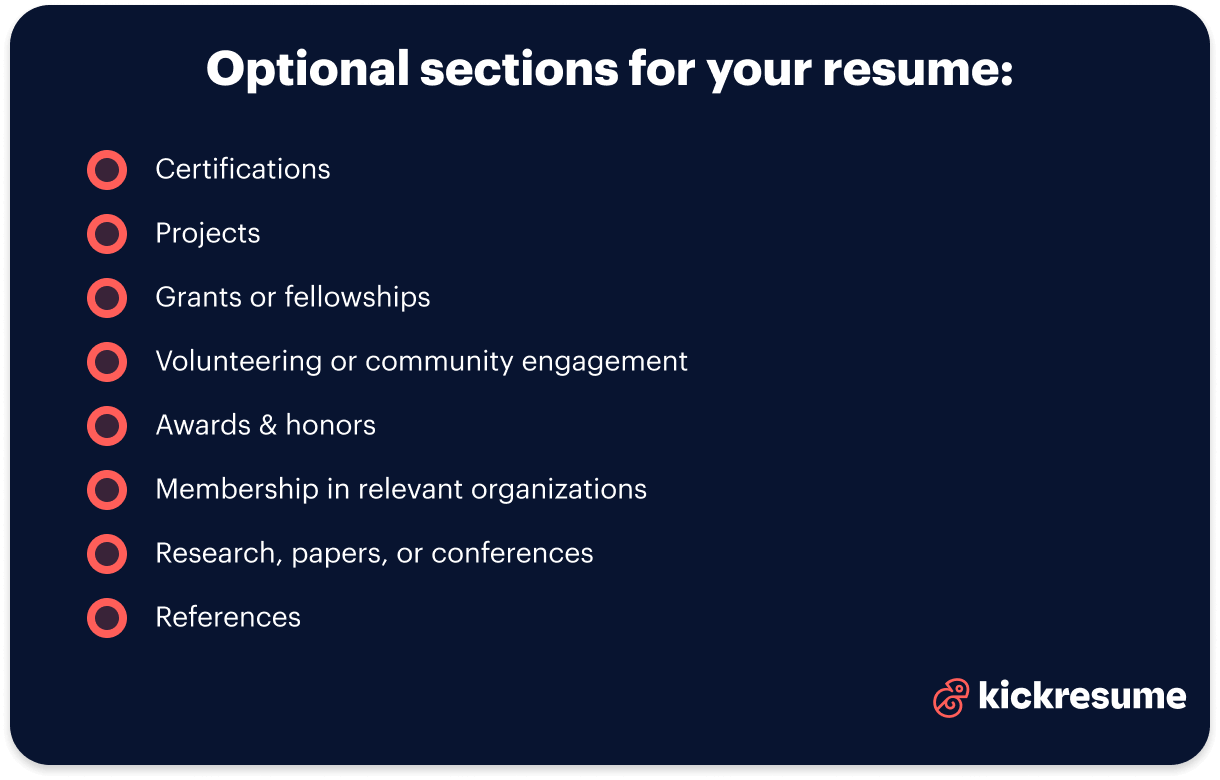
- Certifications: If you’ve completed any official courses or earned certificates (even short online ones) that relate to your field, include them. They show initiative and self-motivation.
- Projects: Just make sure you’re not repeating something you’ve already listed in your work experience section. Each part of your resume should earn its place.
- Volunteer work: Volunteering shows community involvement and a strong work ethic. It’s also a good place to demonstrate teamwork, leadership, or problem-solving in action.
- Awards and honors: If you’ve been recognized for academic performance, leadership, or any other achievement, list it.
- Research, papers, or conferences: This is ideal for students in academic, scientific, or technical fields. Include any research you’ve contributed to, papers you’ve written, or conferences you’ve attended or presented at.
- Membership in relevant organizations: If you’re part of a student association, a professional group, or even a campus club that connects to your field, you can mention it on your resume too.
- References: As an intern, you may not have a long work history yet, but having someone vouch for your attitude, reliability, or effort can mean a lot.
It’s easy to get carried away when you start adding more sections, but you need to remember that every line on your resume has to have a good reason to be there. If you’ve already included a project under work experience, don’t list it again. Use that space to show something new instead.
8. How to steer clear of mistakes that can sabotage your resume
You’ve spent time building a resume that shows off your skills, experience, and potential. That’s great. But before you start sending it out, it’s worth checking for a few common mistakes that can quietly ruin your chances.
Mistake #1: Typos, grammar slips, and awkward phrasing
Unfortunately, even small errors can make you look careless. A missing comma, a misspelled word, or a sentence that reads oddly can distract a recruiter and give the impression you didn’t double-check your work.
Mistake #2: One resume fits all applications
If every application gets the exact same resume, it will show. It really will! Employers want to see that you understand their role and what they need. And a resume geared for one internship might not make sense for another. So, always tweak your summary, skills, and a few bullet points to highlight the most relevant experience for each position.
Mistake #3: Listing duties instead of outcomes
Simply writing what you did won't cut it. Saying that you “Answered customer emails” leaves the reader guessing. What you should do is show the results or impact of your actions, like “Managed daily customer support inbox and reduced response time by 20 percent.” It gives a sense of your contribution and shows that you can get things done!
Mistake #4: Leaving out numbers or specifics
Details make your accomplishments real. Even small metrics like the number of participants in a project, grades for a report, or followers gained on a social account show scale and effort. “Helped organize a campus event” is fine, but “Coordinated a campus event attended by 150 students” is much better.
Mistake #5: Ignoring keywords from the job posting
Many companies use automated systems to filter resumes. If your resume doesn’t include terms that match the job posting, it might never be seen by a person. Pick a few phrases from the posting and use them naturally in your bullet points, skills section, or summary. Don’t overstuff them, just make sure the right words appear in context.
Mistake #6: Messy formatting and inconsistent style
A resume that looks messy or hard to scan will get skipped. Fonts that change, inconsistent bullet points, and crowded sections make it frustrating to read. That's why you always need to stick to one clean font, even spacing, and clear headers. A recruiter should be able to glance at your resume and immediately understand your background.
Mistake #7: Outdated or unprofessional contact info
An old phone number, a casual email address, or a LinkedIn profile that doesn’t match your resume can cost you dearly. Double-check your contact details, make sure your LinkedIn is updated, and use a professional email address that includes your name.
Mistake #8: Adding irrelevant filler
It’s tempting to include every job or activity you've ever done just to fill the page, but unrelated experience can dilute your accomplishments. Focus on what shows transferable skills, responsibility, or initiative. If a past role taught you teamwork or problem-solving, highlight that connection. If it doesn’t, leave it out.
Mistake #9: Forgetting to show growth
Interns are hired for potential as much as experience. If your resume lists only tasks, it doesn’t show curiosity or development. Don't forget to mention relevant coursework, projects, or examples of learning new skills.
Mistake #10: Submitting the wrong file type or filename
A messy file or a poorly named document looks unprofessional and can even break formatting when opened. Save your resume as a PDF unless instructed otherwise, and use a clear filename like Firstname_Lastname_Resume.pdf.
Take a few minutes to scan your resume one last time. Read it aloud, check dates, confirm contact info, and make sure someone else has looked at it. Those few minutes can make the difference between your resume getting tossed and getting that first call back. You already put in the hard work to create your content. Don't let that go to waste because of careless errors.
9. How to complement your resume with a tailored cover letter
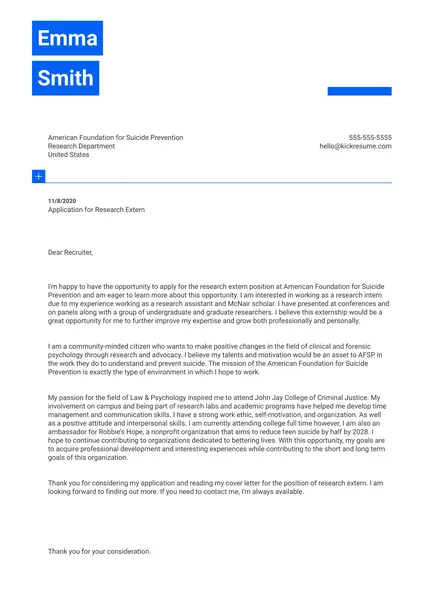
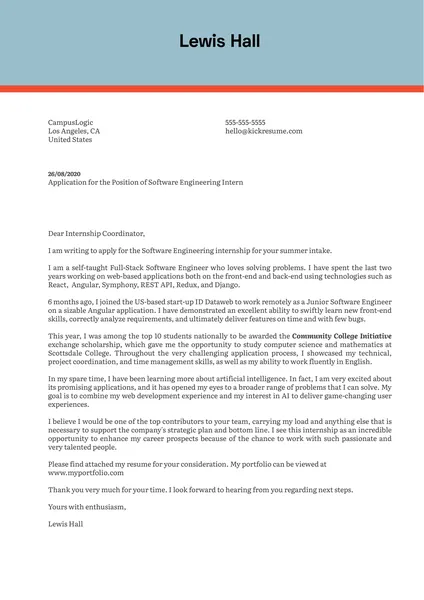
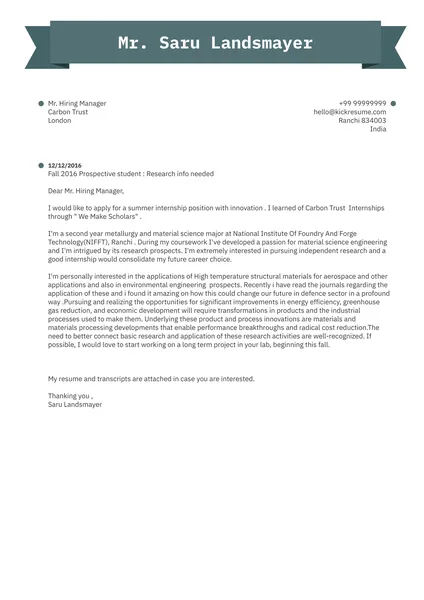
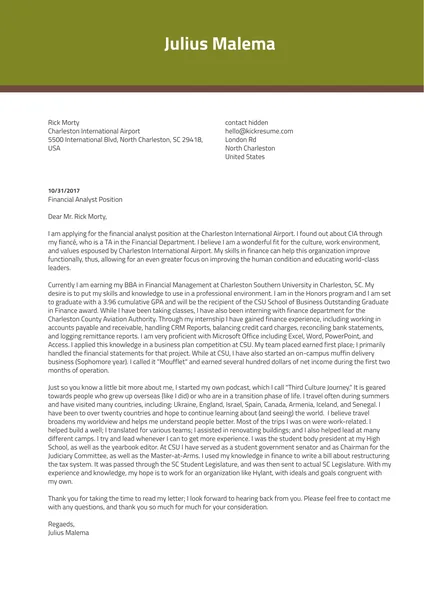
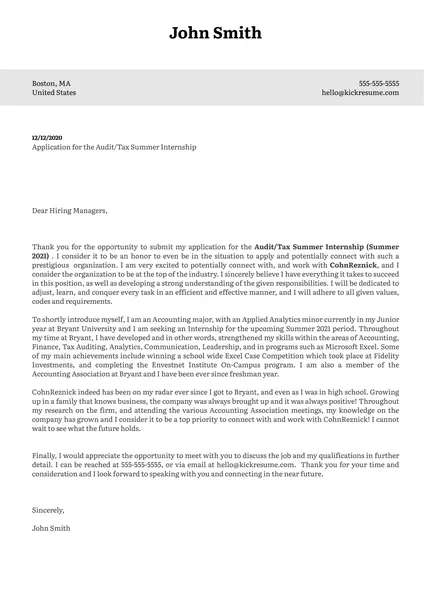
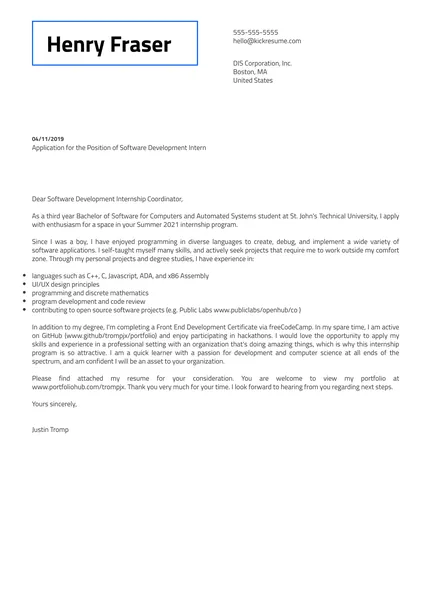
A resume alone, no matter how polished, doesn’t always guarantee success. If you want to give yourself the best shot at landing an internship, an intern cover letter is your chance to add context, explain your motivation, and make a personal connection with the hiring manager.
What should your cover letter do?
A strong cover letter answers a few key questions:
- Who are you?
- Why do you want this internship?
- Why this company specifically?
- What can you do for the employer?
Resumes and cover letters work differently
- Resume: Quick to scan, highlights facts, achievements, and skills in bullet points.
- Cover letter: Conversational, tells a story, explains why you’re excited about this role and company.
Your resume is formal and structured whereas your cover letter lets a bit of your personality and enthusiasm come through. Keep the content in both documentary consistent, but do not copy and paste. Use the cover letter to expand on achievements, explain transitions, or highlight motivation that doesn’t fully come across on the resume.
Keeping your resume and cover letter visually consistent
- Use the same header: Name and contact info should look identical.
- Stick to one font family: No mixing styles between documents.
- Align margins and spacing: Make line spacing, paragraph spacing, and margins consistent.
- Use the same color palette: If your resume has a subtle color, mirror it in the cover letter.
- Match tone and style: If your resume is modern and clean, your cover letter should feel the same.
PRO TIP: To make sure your resume and cover letter look consistent, you can use professionally designed resume templates paired with a matching cover letter template. The only problem you'll face is the dilemma of choosing which design you like the most!
Should you always attach a cover letter?
As an intern, the answer is absolutely yes. Your resume is likely going to look very similar to other candidates applying for the same internship. A cover letter is the one place where you can show your motivation, explain why you care about this role and company, and demonstrate that you’ve done your homework. Any opportunity to differentiate yourself, you should take it.
Even a brief, thoughtful cover letter can make the difference between your application being noticed and it getting lost in the stack. As someone just starting out, this is your moment to show that you’re eager, prepared, and ready to contribute.
Let your cover letter write itself — with AI!

10. Top job resources for aspiring interns
As an intern on the hunt for the perfect opportunity, it helps to have a few handy resources tucked up your sleeve. Here are some platforms widely acknowledged as top-notch spots to find internships:
- LinkedIn: Networking is everything, and LinkedIn stands tall as the go-to platform. Not only can you easily search internships, but with robust tools for connecting, creating a profile, and showcasing achievements, you enhance your visibility to potential employers.
- InternMatch: With a user-friendly interface and vast categories, InternMatch helps aspiring interns like you find tailored opportunities across industries.
- Glassdoor: Known for its company reviews, Glassdoor also hosts a robust job and internship search engine. The added insight about company culture and review is a valuable bonus.
- WayUp: Designed specifically for students and recent grads, WayUp offers a thoughtful blend of internships, part-time jobs, and entry-level positions.
Remember, while these resources can significantly aid your internship quest, nothing beats a well-written resume and a proactive approach. So, get searching and start applying!
Student Career Outlook in 2026
Choosing the right university in 2026 isn’t just about prestige. It’s about employability. As AI tools and automation takes over more entry-level tasks, getting hired straight out of school is tougher, and universities that focus on real-world experience and industry links give graduates an edge.
For the 15th year, the Global University Employability Ranking 2026 by Times Higher Education highlights the universities worldwide that employers believe produce the most employable graduates.
It’s based entirely on votes from international employers and hiring managers, with insights from more than 13,000 recruiters worldwide.
Here are the top 10 universities for employability in 2026:
- Massachusetts Institute of Technology (MIT), US
- Stanford University, US
- Stanford University, USCalifornia Institute of Technology (Caltech), US
- University of Cambridge, UK
- University of Oxford, UK
- University of California, Berkeley, US
- Harvard University, US
- National University of Singapore, Singapore
- Imperial College London, UK
- ETH Zurich, Switzerland
You can find the full ranking including all 250 universities here.
Student Internship Resume FAQ
Should my intern resume have the same length as a regular resume?
As an intern, you're not expected to have as much work experience as a seasoned professional, so it's perfectly fine if your resume is shorter. One page is typically sufficient for a student internship resume.
Can I include extracurricular activities on my intern resume?
Absolutely! If you’re newer to the workforce, your extracurricular activities can demonstrate transferable skills, leadership qualities, and commitment to your field.
What should I do if I have gaps in my education or work history?
If you have notable gaps, focus on the skills and experiences you've gained during those times. Included any relevant activities or self-improvement endeavors you engaged in.
Should I include references in my intern resume?
Usually, it's not necessary to include references on your resume. Employers would generally ask for them separately during the application process.
Is a summary or objective statement necessary on an intern resume?
An objective statement can be beneficial on an intern resume. It can succinctly express your career goals and why you’re a good fit for the internship.


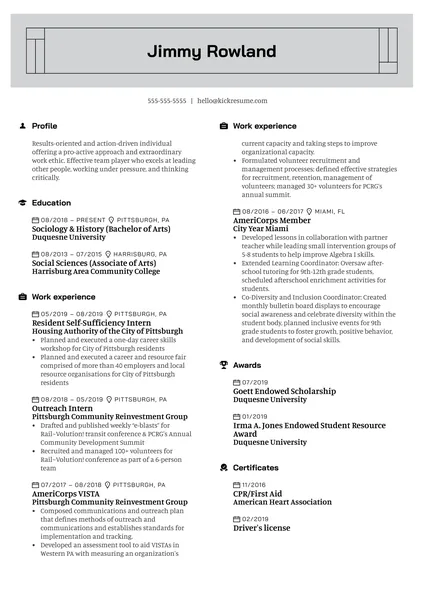

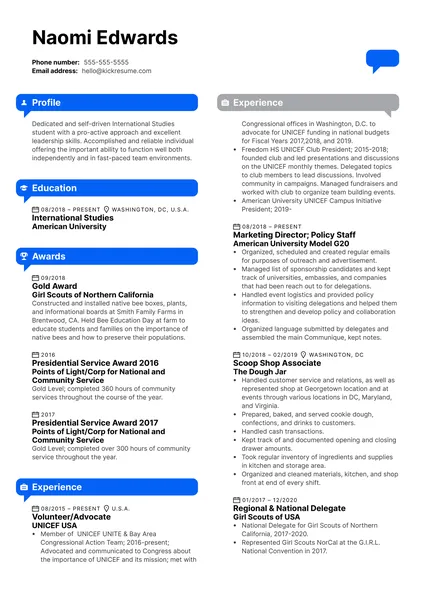

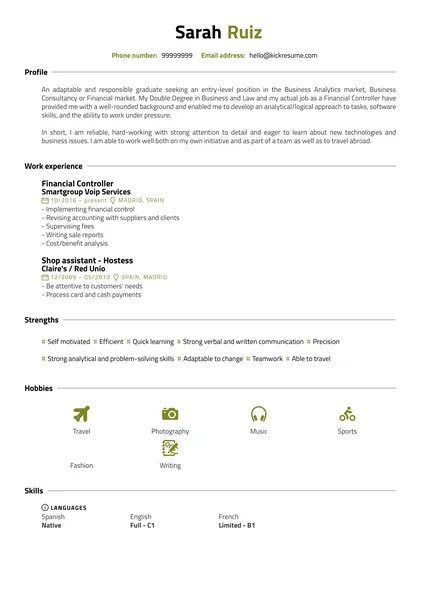









![How to Write a Professional Resume Summary? [+Examples]](https://d2xe0iugdha6pz.cloudfront.net/article-small-images/How_to_Write_a_Professional_Resume_Summary_.png)
![How to List Your Education on a Resume? [+Examples]](https://d2xe0iugdha6pz.cloudfront.net/article-small-images/How_to_Put_Education_on_a_Resume_.png)
![How to Describe Your Work Experience on a Resume? [+Examples]](https://d2xe0iugdha6pz.cloudfront.net/article-small-images/How_to_Describe_Your_Work_Experience_on_a_Resume_.png)