ChatGPT
 Perplexity AI
 Claude
Ready to make an impact as a refugee volunteer? Start by crafting a compelling refugee volunteer cover letter that lets your professionalism, compassion, and commitment to the cause come through.
We managed to pack all the best writing tips, real-world examples, and compelling templates into this comprehensive guide. Let's get started!


 See more examples like these
Continue reading to learn how to:
- Learn the do’s and don'ts of cover letter writing from samples
- Give your refugee volunteer cover letter structure and visual organization
- Put together an informative header
- Create a headline that grabs attention
- Personalize your refugee volunteer cover letter greeting
- Write a strong introduction that conveys your top qualifications
- Highlight your best and most relevant skills and accomplishments
- Weave action verbs into your cover letter naturally
- Conclude your refugee volunteer cover letter persuasively
- Dodge mistakes that can sabotage your cover letter
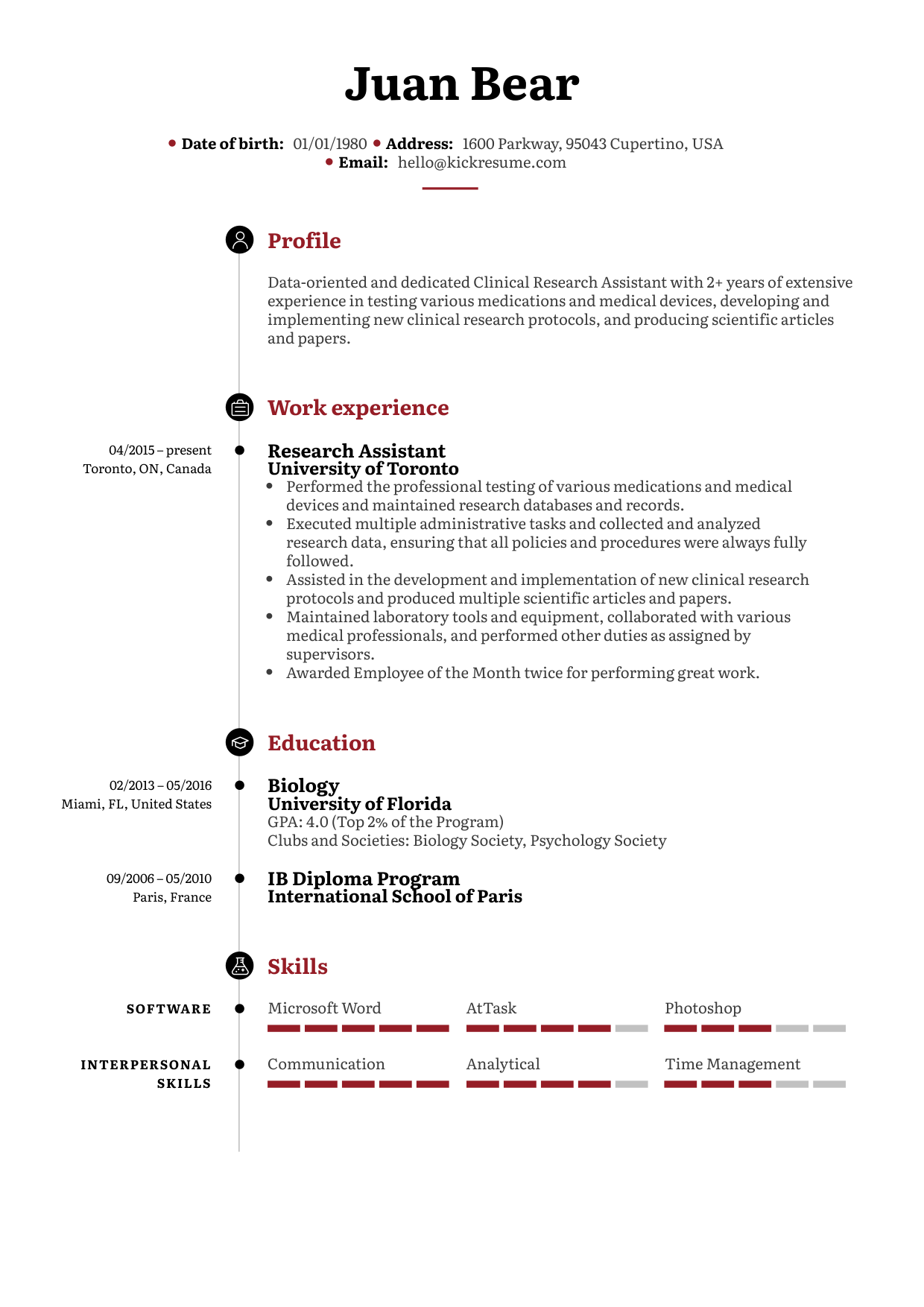
- Pair your refugee volunteer cover letter with a matching resume
- Find useful job search resources for refugee volunteers
Still looking for a job? These 100+ resources will tell you everything you need to get hired fast.
Suicide hotline volunteer cover letter sample


Why does this cover letter example work?
- The applicant leads with genuine, personal motivation: What really stands out is how openly the applicant talks about why this work matters to them. It doesn’t feel like they’re saying it because they “should.” It feels real. Anyone writing a cover letter for a sensitive role could take a lesson from this. When you explain the deeper “why” behind your interest, it helps the reader trust that you’re not just sending applications into the void. You actually care.
- The applicant shows empathy in a way that feels natural: The letter keeps circling back to compassion, patience, and active listening, but not in a braggy way. You can tell the applicant understands the emotional weight of the job and isn’t intimidated by it. This kind of emotional clarity is something a lot of people skip, but it’s exactly what a hiring manager wants to see for a role like this.
How could've been done a little better?
- A clear headline at the top would give the letter a stronger start: Right now the letter jumps from contact info straight into the greeting, which is fine, but adding a small headline like “Psychology Graduate Committed to Compassionate Crisis Support” would help the reader understand the purpose of the letter instantly.
- The letter talks about the candidate’s skills, but not much about the organization: The applicant says they’re “drawn to the organization’s reputation,” but that’s really broad. A specific detail about the agency’s approach, values, or programs would make the letter feel more tailored. Even one or two personalized details would help the reader feel like the applicant truly understands where they’re applying.
Homeless shelter worker cover letter example

Why does this cover letter example work?
- The applicant shows their relevant education clearly: The candidate mentions their Bachelor of Social Work right in the body of the letter, and it fits the role perfectly. This is a good reminder that if you studied something directly connected to the work you want to do, don’t bury it. It helps the reader understand your background right away and makes your interest feel grounded.
- The applicant highlights solid, real experience: They don’t just say they “worked in shelters.” They mention emergency shelters, domestic shelters, and transitional housing. That variety tells the reader this person has seen different situations and can handle a range of needs. It also shows they understand the environment instead of just being interested in it from a distance.
How could've been done a little better?
- The greeting could be more personal: “Dear Hiring Manager” is totally fine when you can’t find a name, but it’s always worth trying to hunt one down. A quick look at the shelter’s website, LinkedIn page, or even a short phone call could give the applicant someone specific to address. It just adds a warmer touch and shows you didn’t send the same letter everywhere.
- The conclusion could feel a bit more confident: Right now the ending is almost too neat and formal. Adding one line about what draws the applicant to that specific shelter or what they hope to bring to the team would help the letter feel more human. It doesn’t need a big story, just a little spark of “here’s why this matters to me.”
Community organizer cover letter sample

Why does this cover letter example work?
- The layout is super easy to read: This letter is clean, spaced out, and not overwhelming at all. The reader can skim the intro, glide through the main points, and get to the closing without feeling lost. It’s a good reminder that a cover letter doesn’t need fancy formatting. A simple structure with clear paragraphs makes the whole thing feel more professional and approachable.
- The applicant organizes information in a logical order: The letter starts with the position, moves into experience, then education, then the closing. It’s predictable in a good way. Anyone reading it can follow the flow without effort.
How could've been done a little better?
- The applicant could strengthen the experience with some numbers: The experience sounds solid, but it stays pretty general. Adding even one or two numbers (like how many events they organized or how much funding they helped secure) would make the accomplishments feel more concrete. It helps the reader picture the scale of the work instead of guessing.
1. Give your cover letter structure and visual organization
Before anyone even reads your first sentence, they take in the layout. The spacing. The way the page sits. It all creates a first impression long before your actual words get a chance. A cover letter that looks calm and organized makes you look calm and organized. A cover letter that feels chaotic does the opposite.
You don’t need design skills to make your letter look clean. You just want something that feels easy on the eyes:
- Pick a simple font like Calibri, Arial, or Times New Roman: These fonts never argue with the reader. They just sit there and help your message land. Keep the size at 11 or 12 so the letter feels readable without looking blown up.
- Use one inch margins on every side: These margins are like built in breathing space, and they stop the page from feeling crowded.
- Left align everything: Centering or justifying text usually creates weird gaps or a zigzag reading path. Left alignment keeps the whole page steady.
- Keep the whole thing to one page: A page is enough to introduce yourself, show why you care about refugee support, and highlight what you bring to the table. Any longer and it starts to feel like homework.
- Keep your paragraphs short: Five or six lines is plenty. Long walls of text make readers check out fast.
- Be consistent with spacing: One extra empty line or a paragraph with different spacing stands out more than you’d expect. Consistency makes the whole thing feel smoother.
- Avoid over-formatting: Don’t bold, underline, or italicize every other word. Let your content do the heavy lifting.
- Use white space on purpose: A clean layout gives the reader a sense of ease. If every inch of the page is packed, the letter feels heavy before anyone even reads it.
- Give your file a neat name before sending it: Something like FirstName_LastName_CoverLetter does the job.
PRO TIP: Not a fan of fiddly formatting? You can save yourself some time by using one of our professionally designed cover letter templates. It takes care of the layout, so you can focus on what you want to say.
Once your format looks polished, you’ll feel more confident diving into the writing part. And that’s where you really want to focus your energy.
Let your cover letter write itself — with AI!

2. Put together an informative cover letter header
It’s easy to wonder if a header even matters when you’re sending everything by email. Your name and contact info are already in the message, so why repeat it. The truth is that a cover letter is still treated like a formal document, and a proper header is simply part of the format.
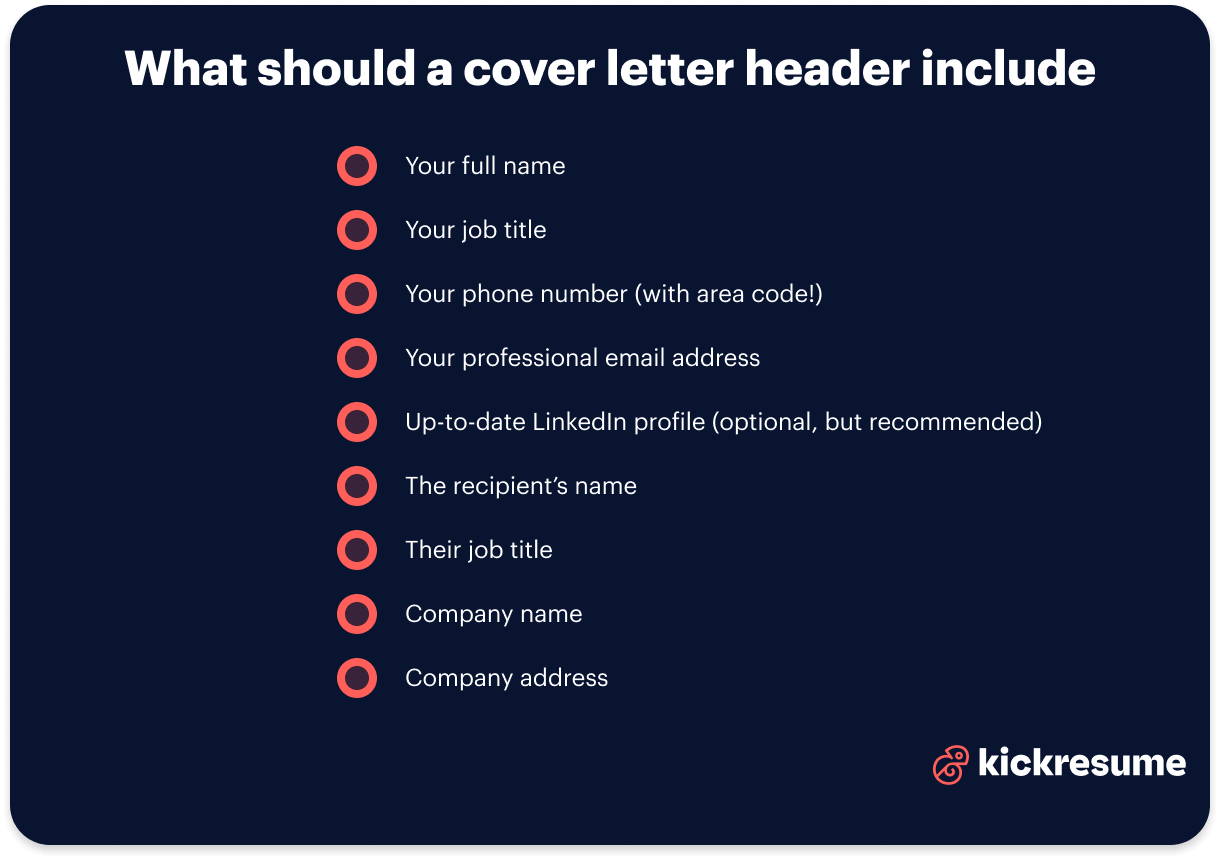
Here’s what a solid header should include:
1. Your contact information
This goes right at the top. Keep it clean and double check everything.
- Full name
- Phone number with area code
- Email address that looks professional
- LinkedIn profile if it’s active and updated
- Optional: a job title or certification that fits the role you’re applying for
Your info is the anchor of the whole header, so make sure nothing is outdated or incomplete.
2. The employer’s information
Right under your details, add the information about the person or organization you’re writing to.
- Name of the hiring manager if you can find it
- Their job title
- Organization name
- Organization address
Now let’s look at the kind of header that causes problems:
Bad example of a refugee volunteer cover letter header
Sammy N.
sammycoolguy@email.com
555 21
Refugee Support Center
What’s off here? The name isn’t complete. The email isn’t very professional. The phone number is missing digits. There’s no LinkedIn, no title, no hiring manager, and no address. It feels rushed and unfinished.
Now imagine a version that actually works.
Good example of a refugee volunteer cover letter header
Samuel Nguyen
(555) 213 7789
samuel.nguyen@email.com | linkedin.com/in/samuelnguyen
Amina Hassan, Volunteer Coordinator
Refugee Support Center
48 Harbor Street
Portland, ME 04101
What exactly makes this one better? This example is clear, complete, and easy to follow. The contact info looks reliable. The hiring manager is named. The organization’s address is included. Nothing is missing and nothing feels cluttered.
A cover letter header really is just a formality. But once you build a good one, you can simply update the employer details each time and you’re good to go.
3. Create a headline that grabs attention
Most people reading job applications don't sit down with a cup of tea and read every line. They skim. They bounce around the page. They’re trying to figure out fast whether you might be a good fit.
A short headline right under your header can give them that answer in a second. It shows what you bring and why you’re worth their attention.
A strong headline should be three things:
- Specific: Say what you actually do or what you’re aiming for.
- Relevant: Tie it directly to the volunteer role you want.
- Confident: Not braggy, just clear about what you offer.
Let’s look at some examples so you can see the difference.
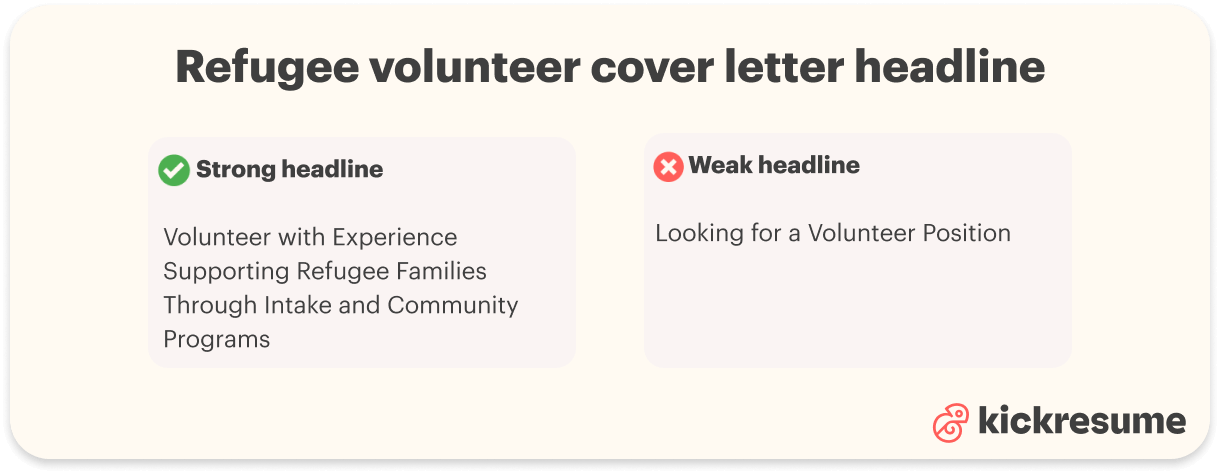
Bad example of a refugee volunteer cover letter headline
Looking for a Volunteer Position
What's the problem here? This kind of headline doesn’t help you at all. Everyone applying is looking for a volunteer position. There’s nothing here that hints at your strengths, interests, or experience.
Good example of a refugee volunteer cover letter headline
Volunteer with Experience Supporting Refugee Families Through Intake and Community Programs
What makes this so much more impactful? This example tells the reader what you’ve done and what you can help with. It’s focused, relevant, specific, and gives a quick sense of what they can expect from you.
Headline ideas for students and first time volunteers
Now, if you’re brand new to this kind of work, don’t worry. You can still write a headline that shows promise. You can highlight your:
- Studies
- Interests
- Readiness to learn
Entry level refugee volunteer headline example
Community Services Student with Training in Cultural Support and Client Assistance
A headline will not make or break your application, but it can earn you a few extra seconds of attention. And those few seconds are sometimes all you need to get the reader to keep going.
4. Personalize your refugee volunteer cover letter greeting
Opening your letter with something like “To Whom It May Concern” might feel polite, but it usually comes across as stiff and impersonal. It makes it look like you copied and pasted the same letter for every organization you found online.
Personalized greeting shows that you took a moment to learn who you’re talking to. And that little bit of effort goes a long way, especially in community based work where relationships matter.
So how do you figure out who to address your letter to?
Here are a few places to check first:
- The volunteer posting: Sometimes the coordinator or program manager is mentioned right there.
- The organization’s website: Look at the “About”, “Staff”, or “Our Team” pages. Many refugee support centers list their volunteer coordinator or outreach lead
- LinkedIn: Search the organization and scan through the staff. Titles like “Volunteer Coordinator”, “Program Manager”, “Community Services Manager”, or “Outreach Lead” are good signs.
- A quick call or email: It’s completely fine to reach out and ask who oversees volunteer placement. It takes a minute and shows that you’re proactive.
Once you have a name, you can use it in a simple greeting.
Examples of personalized greetings
- Dear Ms. Rahman
- Dear Daniel Ortiz
- Dear Volunteer Coordinator Ms. Rahman
Keep it straightforward and respectful. If you’re unsure about someone’s title or gender, stick to their full name without adding Mr. or Ms.
But sometimes you really cannot find a name even after trying. That’s normal, especially with small organizations or busy community programs. If that happens, you can still keep things warm and personal, even when addressing cover letter without a name:
General but still thoughtful greetings
- Dear Volunteer Coordinator
- Dear Refugee Support Team
- Dear [Organization Name] Program Staff
These options show that you at least aimed your greeting at the right group. They feel much better than something vague or outdated.
Find out your resume score!

5. Write a strong introduction that shows your top qualifications
If your opening lines could fit into any other cover letter on the planet, it’s probably too generic. A good intro feels personal, specific, and grounded in your actual experience.
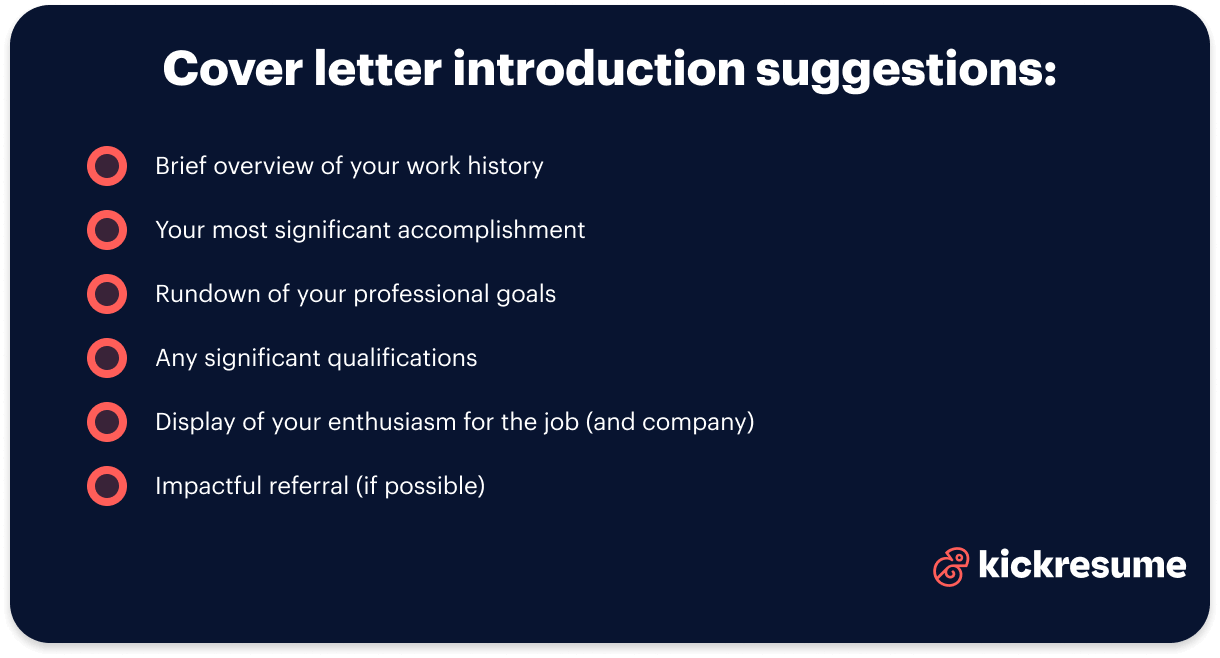
Here are a few things that make an introduction stand out:
- A short overview of your background
- A meaningful accomplishment or moment
- Relevant skills or qualifications
- A genuine reason you want to help this community
- A referral if someone pointed you to the role
Let’s look at some examples that show this clearly. And one that doesn’t.
Bad example of a refugee volunteer cover letter introduction
I’m writing to apply for the volunteer position at your organization. I have experience helping people and think I’d be a good fit.
What's wrong here? This doesn’t give the reader anything to grab onto. It’s vague, it’s forgettable, and it could be sent to any organization in the world. There’s no sense of who you are or why this work matters to you.
Now let’s look at intros that actually do the job:
Good example of a refugee volunteer cover letter introduction (referral)
Sara Ali suggested I reach out about the volunteer role at Harbor Refugee Services. She and I spent last summer assisting families during intake appointments at the community center, and she thought my communication skills and calm approach would be a good match for your team. I’d love to bring that same support to your programs.
What makes it so effective? This works because it leads with a trusted name and gives the reader a quick picture of what you’ve actually done.
Good example of a refugee volunteer cover letter introduction (shared values)
When I read about your new program that pairs volunteers with recently arrived families for weekly support visits, I knew I wanted to get involved. I’ve been helping with housing assistance and cultural orientation sessions in my neighborhood for the past year, and I’m passionate about making those first few months feel less overwhelming for newcomers.
This intro shows the applicant has done their homework and genuinely connects with what the organization does.
Good example of a refugee volunteer cover letter introduction (qualifications)
For the past three years, I’ve helped coordinate food distribution and translation support at our local community kitchen, where many of our clients are refugee families. Last winter, I managed a small team of volunteers during an emergency housing effort, and together we placed over 40 families in safe temporary shelter. I’m excited to bring that same energy and reliability to your volunteer team.
This one is confident and specific without feeling braggy. It gives clear, meaningful details.
Tips for first time volunteers or students
If you’re just starting out, focus on things like:
- Your willingness to learn
- Any volunteer or community service experience you do have
- Any language abilities, coursework, or cultural knowledge
- A genuine interest in refugee support
Cover letter opening example for new volunteers
I’m currently studying social sciences and recently began volunteering at our campus resource center, where I help students from international and refugee backgrounds with basic paperwork and orientation. I’ve learned how much a small amount of guidance can help someone find their footing, and I’m eager to keep building those skills with your team.
No matter your level of experience, your introduction should sound like you. If it’s clear, thoughtful, and tailored to the role, it will do exactly what it needs to do: make the reader want to keep going.
6. Highlight your best skills and accomplishments
This is the part of your cover letter where you get to show off a little. And no, you don’t have to dump your entire life story in here. Just pick the stuff that really lines up with what this organization cares about.
The easiest way to figure that out?
Look at the volunteer posting. What skills do they mention right away? What keeps popping up? If they say “community outreach” three different times, that’s not an accident.
Here are some skills that tend to matter most in refugee-support roles:
The 10 most in-demand volunteering skills
- Communication and active listening
- Cultural sensitivity and awareness
- Language abilities
- Organization and reliability
- Patience in stressful situations
- Basic administrative support
- Experience with community programs
- Crisis response or problem solving
- Teamwork
- Empathy and trust building
And remember, refugee support is built on human connection. Your soft skills matter just as much as any past experience. Sometimes even more.
How to shape the body of your cover letter
Don’t overthink this. Seriously. Keep your paragraphs short and focused — you’re not writing a novel, you’re giving them little snapshots of who you are.
A simple approach is:
- Aim for 3 to 4 small paragraphs
- Each one should focus on one skill or one meaningful experience
- Add numbers or clear examples when you can
- Stick to what’s most relevant to the role
There's a simple formula that works every time: context + details = impact.
Examples of how you can talk about your experience
- Working with families: “At the community center, I helped new families fill out forms for school programs. Once people realized I wasn’t going to rush them, everything got way smoother. Our team ended up registering over 60 kids in one season, and honestly, half my job was just helping parents feel less overwhelmed.”
- Language skills: “I speak conversational Arabic and have used it during intake appointments to help gather basic information and explain next steps. It helped shorten appointment times and made the process less intimidating for families who were nervous or unsure.”
- Admin support: “At the housing assistance desk, I managed sign in sheets, organized case files, and kept track of appointment schedules. Everything ran smoother when the paperwork stayed neat, and I often trained new volunteers on how to keep things moving.”
- Teamwork during chaos: “During a winter clothing drive last year, our team had a sudden surge of families arrive at once. I helped set up an extra distribution line and coordinated with two other volunteers to make sure everyone got what they needed. By the end of the day, we had served more than 200 people without long wait times.”
Tips for first time volunteers
Now, if you’re new to volunteering, that’s totally fine. You can still write a great cover letter with no experience. You can mention:
- Any school, campus, or community activities you’ve supported
- Any roles where you helped people, even informally
- Any languages you speak
- Your ability to stay patient, organized, or calm under pressure
- Anything you’ve taken initiative on
Example for refugee volunteer just getting started
During my college service project, I helped organize weekly homework support sessions for students from immigrant and refugee families. I prepared simple lesson materials, answered questions during group work, and made sure each student felt encouraged. That experience showed me how steady support can change someone’s day, and it’s what makes me excited to volunteer with your team.
Your experience, whether big or small, is the heart of your cover letter. The clearer you can show what you’ve done and how it connects to the volunteer role, the easier it is for the reader to picture you on their team.
7. Weave action verbs into your refugee volunteer cover letter
Some verbs make your experience sound lively and solid, and others make it sound like you were hanging out in the background holding a clipboard. Phrases like “helped with” or “was involved in” barely say anything at all.
A few stronger action verbs can fix that fast. You don’t need to sprinkle them all over the page, just use them when you want to show that you actually did something.
Let’s compare:
- Instead of: I helped organize donations.
- Try: I coordinated a weekly donation sorting system that served over 150 families.
See how the second one has more weight? It doesn’t try to sound fancy, it just shows the action clearly.
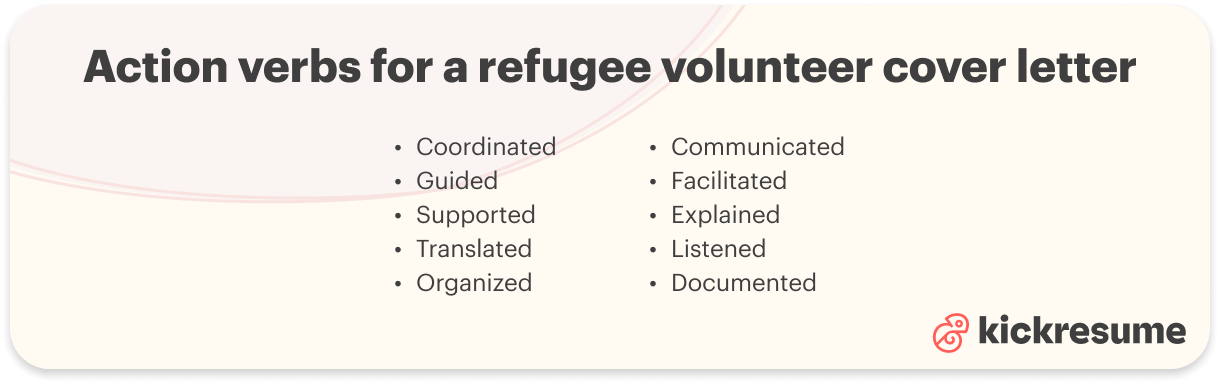
List of strong action verbs for a refugee volunteer cover letter
- Coordinated
- Guided
- Supported
- Translated
- Organized
- Welcomed
- Connected
- Prepared
- Assisted (you can still use this, just not for everything)
- Communicated
- Facilitated
- Explained
- Listened
- Documented
And here are a few quick before and after examples so you can see how much difference one verb can make:
- Before: I was responsible for greeting families during intake.
After: I welcomed families during intake and made sure they understood each step of the process. - Before: I helped with language support.
After: I translated for families during housing appointments and made the conversations easier and less stressful. - Before: I was part of the outreach team.
After: I supported outreach events that connected over 200 people with local services. - Before: I helped run orientation sessions.
After: I facilitated orientation sessions for newly arrived families and made sure they left with clear next steps.
You don’t need to force it or sound like you swallowed a thesaurus. The point is just to pick verbs that show you were active, present, and contributing. It makes your experience easier to understand and gives the reader a clearer picture of how you work.
A few thoughtful verb choices can make your writing clearer, more confident, and more you.
8. Conclude your refugee volunteer cover letter persuasively
Okay, so you’ve shared your experience, explained why you care, and shown them what you can actually do. Now you just need a conclusion that ties it all together without sounding stiff or overly formal. Think of it like wrapping up a good conversation: clear, warm, and confident.
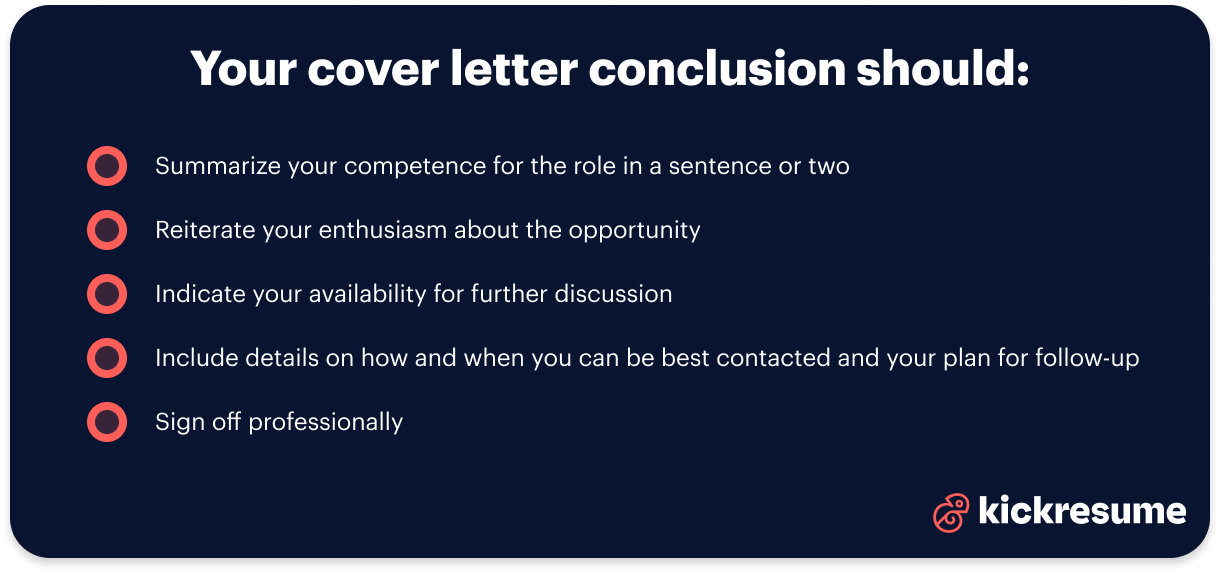
These are a few tips on how to end your cover letter:
- Remind them what you bring to the role
- Show you’re genuinely interested
- Make it easy for them to reach you
- End on a professional, friendly note
Here’s a closing that feels a bit too bare:
Bad refugee volunteer cover letter closing example
I hope you consider me for this position. Thank you for your time.
Best regards,
Sam
What's wrong here? Nothing, really. This closing is perfectly polite, but it doesn’t leave much of an impression.
Now compare it with something more thoughtful:
Good refugee volunteer cover letter closing example
Thank you for taking the time to review my application. I’d love the chance to support your work with refugee families, especially with my experience coordinating resources and helping newcomers adjust during their first weeks here.
If you’d like to talk more, you can reach me at (555) 123-4567 or sam.morgan@email.com. I’m happy to answer any questions.
Warm regards,
Sam Morgan
Why does this work? It's clear about the value Sam brings, it shows genuine enthusiasm for the role, and it gives the reader an easy next step.
You don’t need to overthink it. Just aim for a few well-placed lines that sum up what you bring to the table and show you’re genuinely interested. If the beginning of your letter opened the door, the ending should leave it open just wide enough for a callback.
9. Dodge mistakes that can sabotage your cover letter
Even when you have the right experience and a real heart for supporting refugees, a few small slips in your cover letter can hold you back. The good news is that most of these mistakes are super easy to avoid once you know what to watch for.
Here are the big ones to keep an eye on:
- Writing a one size fits all letter: If your cover letter feels like it could be dropped into any volunteer role at any organization, it’s going to sound flat.
- Rambling or barely saying anything: Some letters go on forever. Others are so short they barely introduce you. Both can leave the reader confused about who you are and what you bring. But there actually is a consensus on how long should a cover letter be.
- Making the whole letter about yourself: It’s easy to slip into talking only about what you want. More experience. A new challenge. A chance to learn. But that can make the letter feel one sided.
- Repeating your resume word for word: Your resume lists what you’ve done. Your cover letter should give those bullet points some color.
- Missing small instructions in the job posting: Some organizations ask you to include a specific reference number or mention your availability. Skipping this can make your application look rushed.
- Letting typos slip in: Tiny mistakes can distract from everything you’re trying to say.
- Using cluttered or awkward formatting: If your letter looks crowded or hard to skim, parts of it may get missed.
Take the time to double-check your work. It shows respect for the reader, and it sets you apart as someone who’s serious about getting things right.
10. Pair your refugee volunteer cover letter with a resume
Once your cover letter feels solid, it’s easy to think you’re done. But before you send anything off, take a moment to make sure your refugee volunteer resume and cover letter actually support each other.
- Your resume lays out the basics. It shows your experience, your skills, the places you’ve worked or volunteered, and the timeline. It’s clean and structured.
- Your cover letter fills in the human side. It explains why refugee support matters to you, how you approach your work, and what kind of energy you’d bring to their team.
Both have their own job, but they should still feel like they come from the same person. Here are a few easy ways to make them look and read like a pair:
- Start with matching contact details: Your name, phone number, email, and any links you include should look the same on both documents. Same order, same formatting.
- Stick with one font and style: If your resume uses one font size and one style, keep it consistent in your cover letter. Switching things up makes the two feel disconnected.
- Use similar formatting: If your resume uses bold for section titles or a certain layout for headings, echo that style in your cover letter.
- Match your spacing and margins: Clean spacing helps everything look neat. When the margins and spacing line up, the documents feel polished without any extra effort.
- If you use color, keep it subtle and consistent: A tiny bit of color can look nice if it’s used lightly. If you add a touch of color to your resume, use the same shade in your cover letter so they feel connected.
If formatting is the part you dread, you’re definitely not alone. Templates can save a ton of time and make everything look put together without you having to fuss over spacing or fonts. We've got tons of professionally designed resume and cover letter templates that can help you nail the look without the layout headache.
Try our AI Resume Writer and have your resume ready in minutes!

11. Valuable job search resources for refugee volunteers
Let's not forget — having solid resources can make your job search, as a refugee volunteer, significantly smoother. Check out this practical list we've put together:
- Non-profit job boards: Websites like Idealist and MissionImpact are filled with volunteer opportunities within the non-profit sector, including refugee support roles.
- Refugee-focused organizations: Reputable NGOs like Doctors Without Borders and UN Refugee Agency often advertise volunteer positions on their websites.
- LinkedIn: Don't overlook the biggest professional network. Use relevant search terms, like 'refugee', 'volunteer', or 'human rights', to dig out opportunities.
- Volunteer databases: Check out VolunteerMatch or HandsOn Network for a wide range of volunteer roles distributed across the globe.
- Local community centers: They often have info on how you can get involved as a refugee volunteer.
Remember, these tools are just stepping-stones. The more you network, follow NGOs, and get involved, the more resources you'll uncover. Happy hunting!
If you have ever wondered how a cover letter differs from a resume, this article will tell you everything about the key differences between the two.
Refugee Volunteer Cover Letter FAQ
What should I highlight in my refugee volunteer cover letter?
Focus on your understanding of the refugee situation, your ability to manage in crisis scenarios, and any relevant skills or experiences. Apart from this, be sure to showcase your compassion, commitment, and resilience.
Should I mention my previous volunteer experience?
Absolutely. Any previous volunteering experience, directly related or otherwise, helps to illustrate your readiness to contribute and work within a community setup.
How long should my refugee volunteer cover letter be?
Generally, try to keep it under one page. This forces you to concentrate on your most significant skills and experiences. Bulleted lists can be a great way to achieve this.
Do I need to tailor my cover letter for each application?
Yes, always. Different organizations will have different needs, cultures, and missions. Make sure your cover letter showcases how you can meet their specific needs.
What's the most common mistake on refugee volunteer cover letters?
One of the biggest pitfalls is focusing too much on what the experience can do for you, rather than what you can bring to the role. Remember, it's about demonstrating your value to them.